WHAT i’M PLAYING/iReview – Lara Croft GO

Lara Croft GO is a fun little mobile game developed by Square Enix. Similar in style to their previous game, Hitman GO (which I haven’t played yet, but will next).

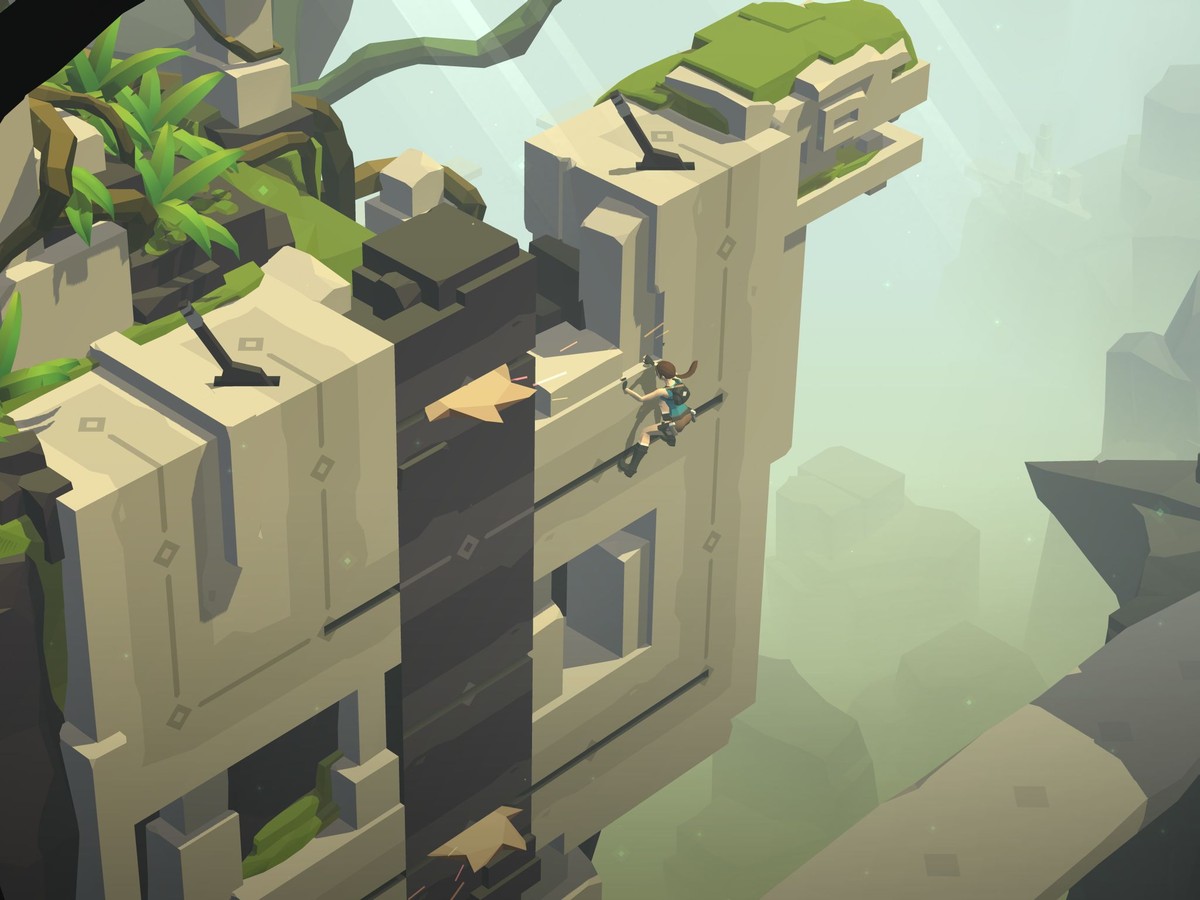
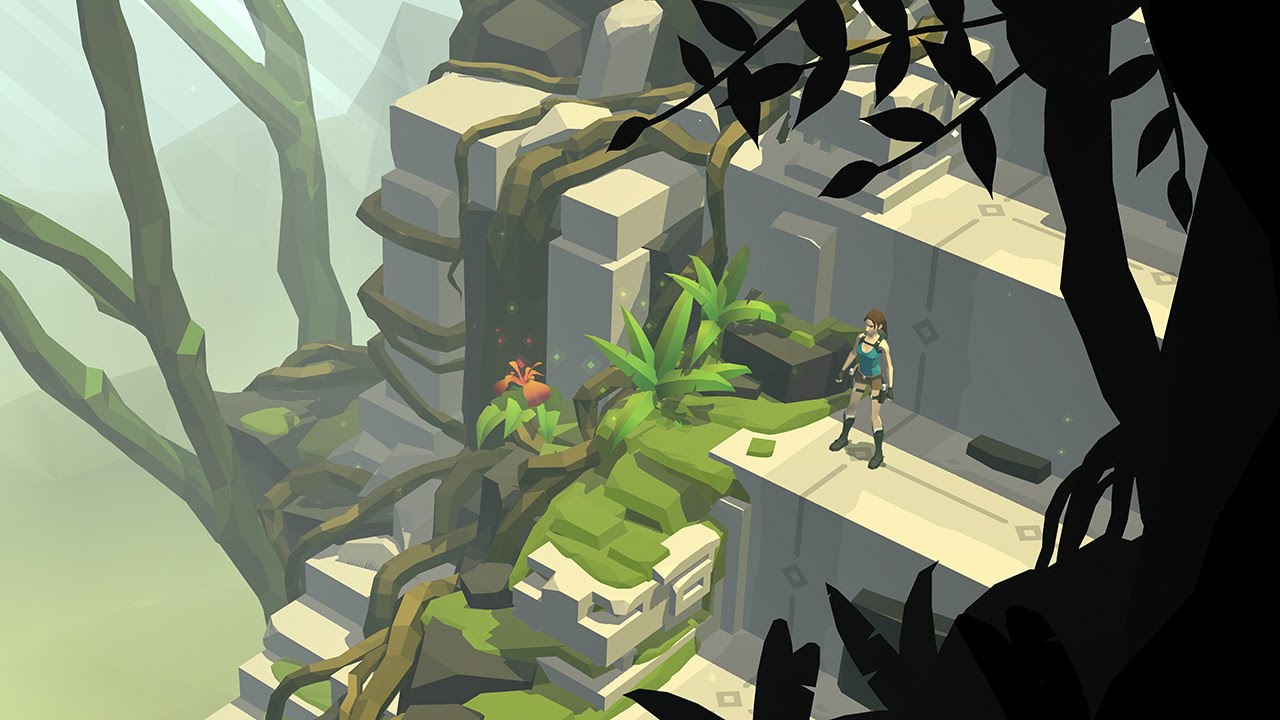
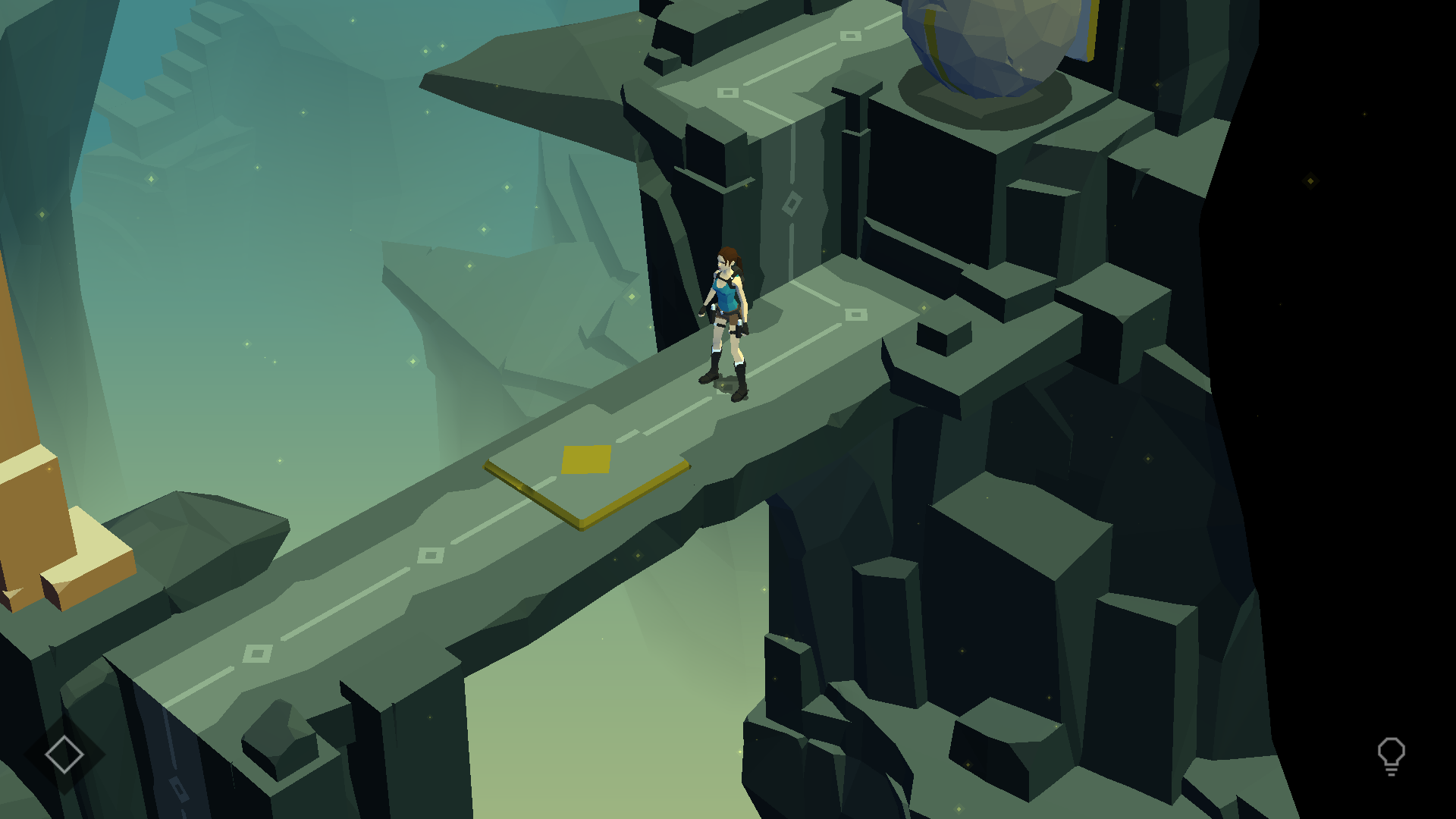
The game is a puzzle platformer, and turn-based. Very striking up front is the visuals. Flat colours, but bright with some atmospheric lighting. Everything looks smooth but with great detail. The sounds are very soft and ambient.

lara-croft-go

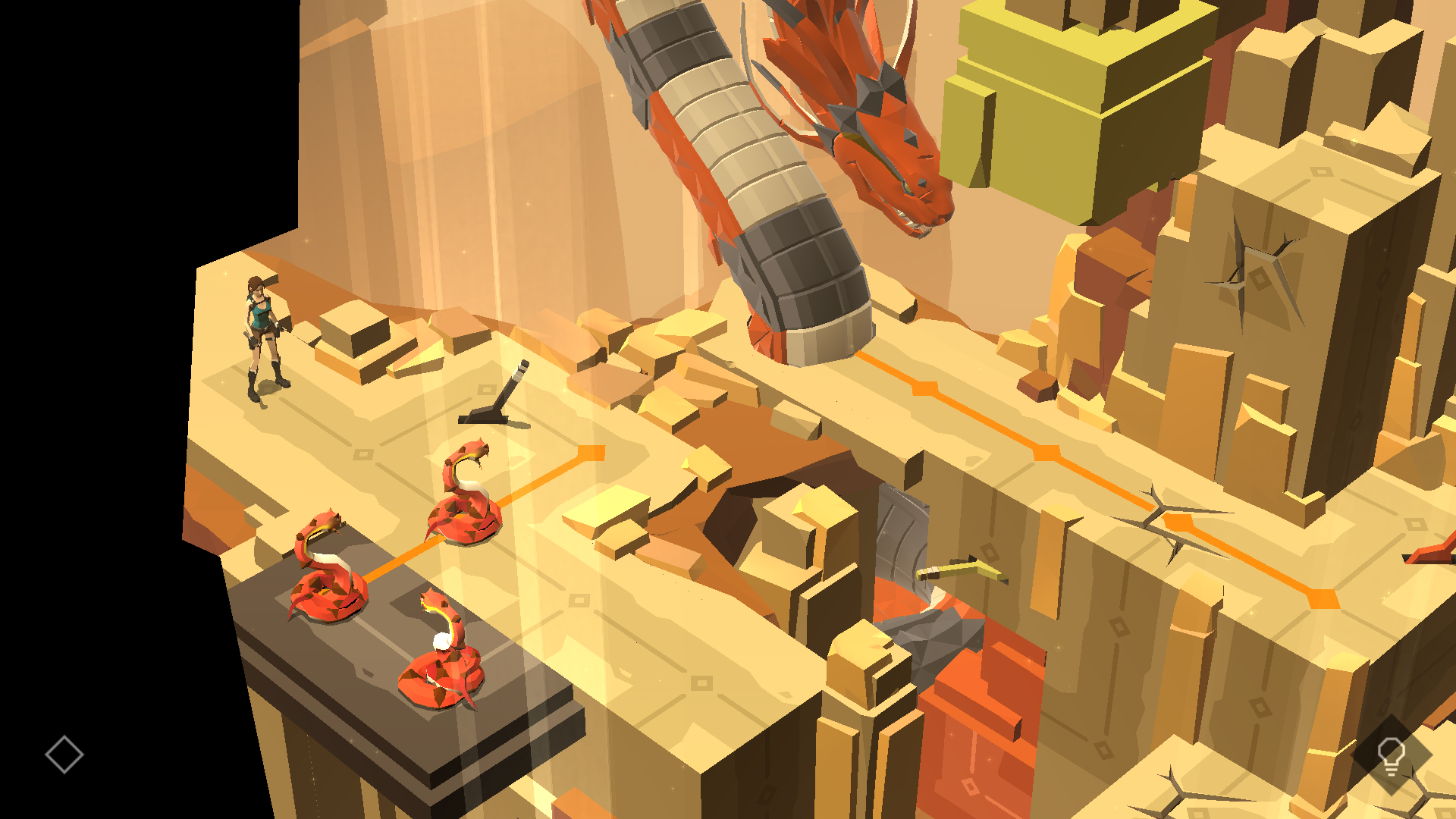
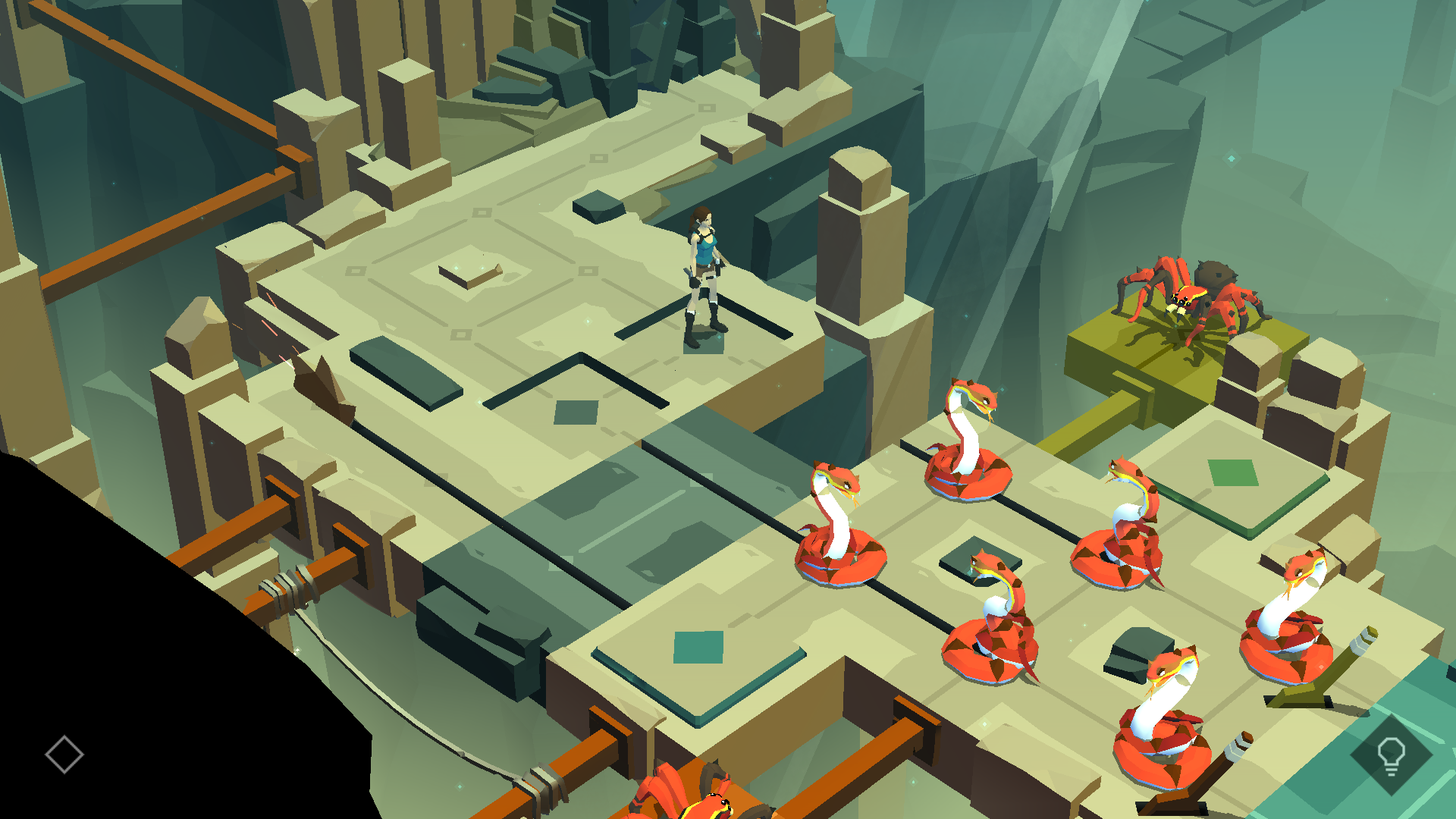
Designed for a touch screen, the controls are very simple. Each level has a pre-defined path as it is turn based, and as Lara, we can navigate anywhere along this path. A lot of times there are enemies in the way, and each enemy type has its own behavior, for example: snakes don’t move, and can only be attacked from the side or behind. The levels also have traps, obstacles and switches en route to the end of each chapter. In the turn-based fashion, we move Lara in a diagonal direction, and then everything in the level follows suit and moves along their defined path.

Progressing through the game is pretty straight forward. There are 5 chapters totally about 40 levels. The game starts off slow, almost a tutorial, but then picks up speed, and gets consistently more challenging through each completed level and chapter. There are also numerous collectibles to be found, and you can replay each level to ensure you’ve found them all. These will unlock alternate costumes.

lara croft go screen

Lara Croft GO is a fun simple game that allows you to drop in and play a level or two, and then move on to more pressing business. The game only supports landscape mode, but is a great homage to the Tomb Raider games, Lara Croft, and puzzle games in general. Supported on both iOS and Android for roughly $5.

-iRogan

Screenshot_2015-09-03-12-56-18Screenshot_2015-09-05-16-47-05Screenshot_2015-09-04-16-27-32Screenshot_2015-09-01-12-41-30

WHAT i’M PLAYING / iREVIEW – Assassin’s Creed IV: Black Flag – The Problem Is Not The Problem

Not sure if the end of the world was a lie, or if Desmond Miles saved us?

Title: Assassin’s Creed IV: Black Flag
Developer: Ubisoft Montreal
Platform: Xbox 360, Xbox One, PS3, PS4, PC, Wii U
Publisher: Ubisoft
Reviewed on: Xbox One

The Assassin’s Creed stories, like those in most open world games, can be hard to follow sometimes. The worlds are so open, with an impossible list of activities to do, it’s hard to just focus on the story campaign alone. One would start to feel guilty about passing over all the side activities calling out for attention.

Over this past weekend I played Assassin’s Creed IV: Blag Flag through to its story conclusion. This was a game that I started back in February on the Xbox One and have been plugging away at for a few days here and there, but never really making much progress.

I had managed a mediocre 10 – 15 or so hours in February and March, but then let it start to gather dust. But it remained there, in my library, proudly sitting at the beginning of the alphabetical list; constantly hollering.

assassinscreed41

Full disclosure: I have a short attention span when it comes to open world games of the Ubisoft ilk. The opening quarter of the game plays like a tutorial mission, introducing us to the many different mechanics newly introduced. The player is only granted his ship – the ability to venture out on your own, to fly the coop – a couple hours in.

“OUT OF RUM. WHY? WHY ARE WE OUT OF RUM?”

Saturday and Sunday, I resigned myself to completing the main portion of the game and completing most of the achievable achievements. Those I could see myself completing in the 2 sittings. I unknowingly, but not surprisingly played 12 hours a day for the two full days to wrap it up. The only true evidence of this is when Sunday evening rolled around, reminding me I had to work the next morning. I did complete the story however, some of the attainable achievements, and conquered the forts.

And in just over 35 hours, which, in a game such as this, is really no time at all, and I’m aware of this. The game informs me I’m only 52% done. But no, GAME, I’m 100% done. I’m moving on. I have other Ubisoft games to tackle. Other Assassin’s Creed games even.

I didn’t beat the game because I wanted to. I beat it because it had taken up far too much valuable real estate on my harddrive, and I’d grown exhausted of its mocking glare over the past 6 months.


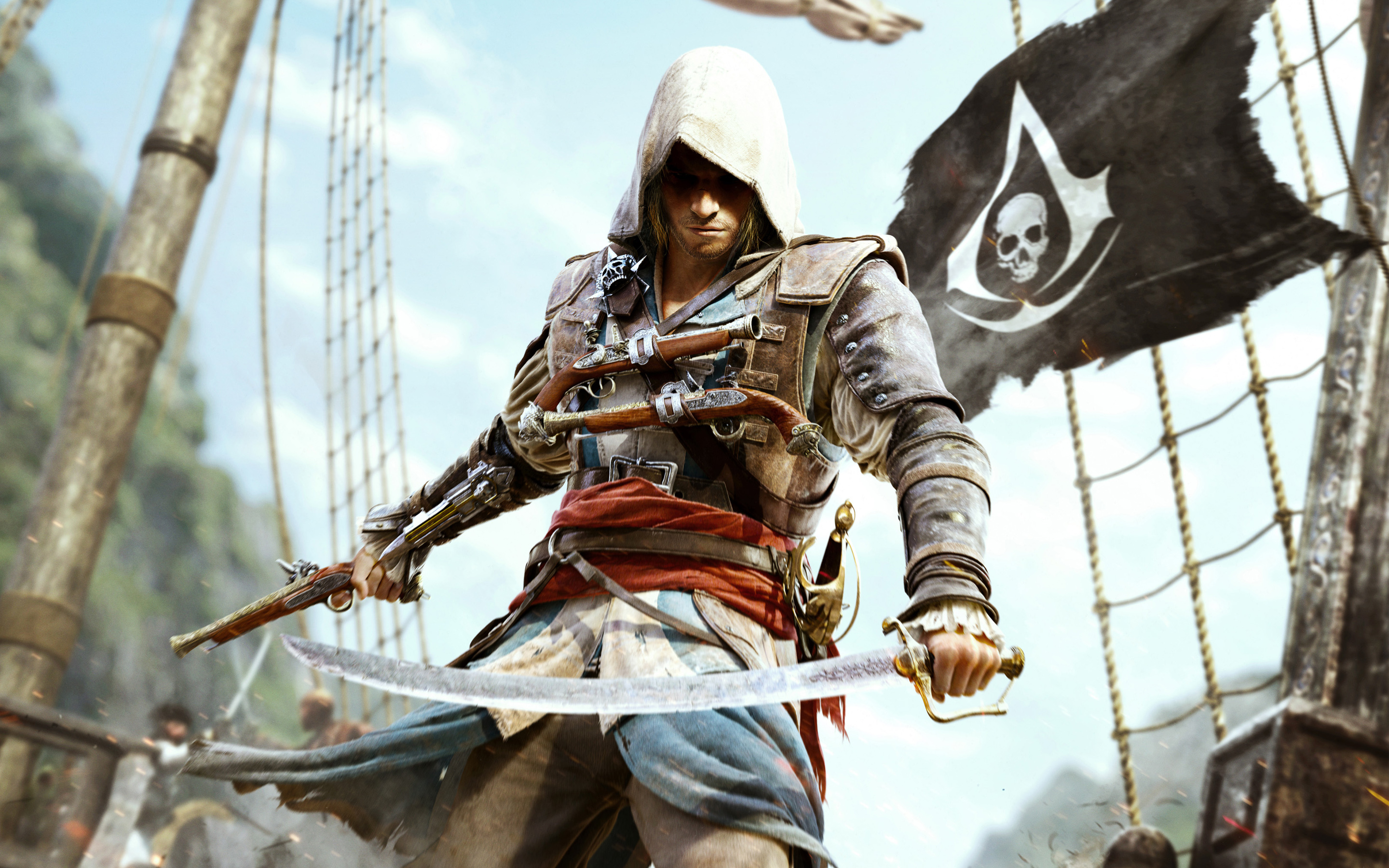
Assassin’s Creed IV: Black Flag features our new hero in the game world: Edward Kenway – a privateer turned pirate turned Assassin. In the real world we play an unnamed engineer, working for Abstergo Entertainment. After the death of Desmond Miles in Assassins Creed III, we have found that Abstergo is still able to explore his genetic memories from samples of his body, and seeking profit, Abstergo has started turning these memories into simulated reality adventures for the general public’s consumption.

Back to Kenway, we get to sail the wide open seas in the Carribean, and take part in land-based adventures in Cuba and Jamaica, and the Caribbean islands. We visit many familiar locales – popularized by pirate movies and TV shows – like Nassau, Kingston and Tortuga. And we get introduced to familiar characters such as Edward “Blackbeard” Thatch, and Charles Vane.


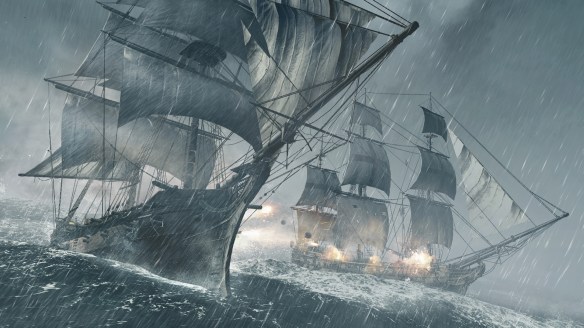
assassinscreed42The game takes the mobility of Assassin’s Creed III and makes it smoother and quicker, and in taking the tacked on ship battles, graciously makes this the primary focus, upsetting no one. Ever.
The commandeering of the Jackdaw is the best part of the game. Ship to ship battles are simultaneously frantic and glorious, and when a ship is defeated, you can pull alongside, and board it. In defeating all the remaining enemies, the player can choose to add the ship to your fleet for the trading mini game, or scuttle it. The trading mini game adds to your bank account for ship and character upgrades. This was introduced in III, and is easily overlooked, but it’s a thing.

“BATTEN DOWN THE HATCHES, WEIGH ANCHOR! WE SAIL . . . WITH THE TIDE”

As the story progresses, and as our own ship gets upgraded, the battles become larger and increasingly difficult as we start to war against larger ships in increasing numbers. These battles can, at times, require full attention and strategy.

The open world takes place in both the seas and towns, and everything is seamless, without loading. At any time, within range of a small island, we can anchor the Jackdaw and dive our Assassin overboard, to swim ashore and search for treasure. It is that fluid, and a lot of fun. The game also has a full day and night system and full, fully realized weather systems. Windy channels and huge storms can come rolling along with the occasional rogue wave or water tornado. Both of these scary happenstance events are to be wary of.

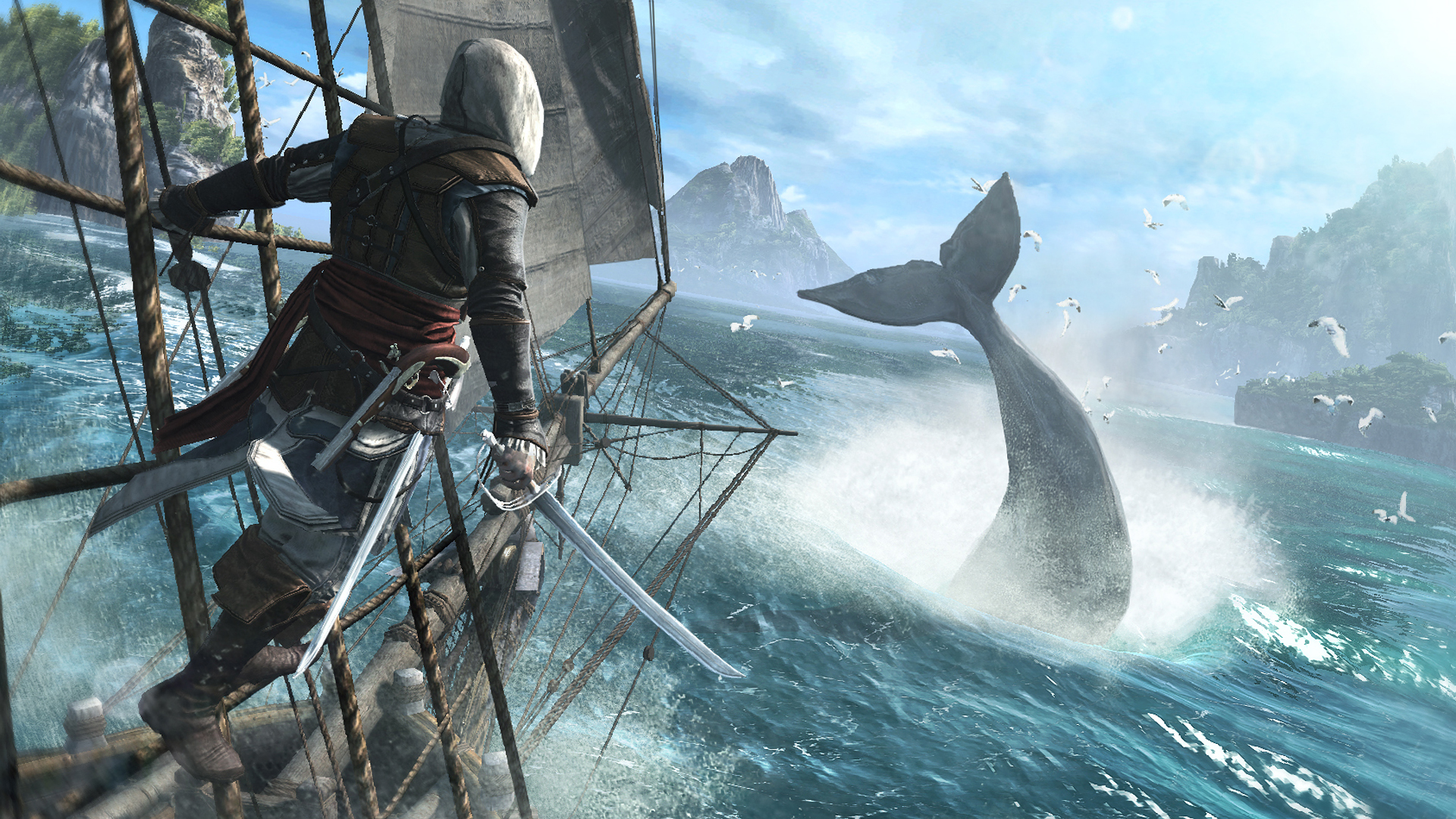
The game features quite a few large cities, Kingston and Nassau, and Havana, and plenty of smaller towns. As well as full jungle islands. The game brings back hunting of animals, and includes the much criticized whale hunting.

assassinscreed4

The fortress battles are the best showcase of the game’s ship to shore fighting mechanics. The strongholds act of the synchronization points for the world map, like towers in Far Cry 3 and 4; once completed they reveal the map, side quests and collectibles in that quadrant.

We storm the garrison from the sea, taking down its defenses with our ship’s many guns. Once thoroughly defeated, we land the ship, attacking on foot, needing to track down and kill the commander of the fort, completing the attack.

“STOP BLOWING HOLES IN MY SHIP!”

Kenway’s arsenal is as burgeoning as ever. Dual wielding swords, dual knives, smoke bombs, sleep darts, rope darts, and 4 pistols for multi-shooting. We are the true bringer of death. At times, when surrounded by 8 or so enemies, and utilized everything on our utility belt, we’d be an even match for The Dark Knight.

As I said at the top, the story can sometimes get muddled as we partake in side assassination missions, or naval battles, distracting by fragment collecting or searching for buried treasure . . . so it can be hard to keep track of what is happening in Kenway’s campaign. It’s really the only downside to open world games such as these, and the story suffers from lack of continuity.

In the finale, in typical fashion, the game wraps up all the events and it plays very linear. Cut scene to cut scene, assignation then another cut scene. The last 3 chapters remove the open world aspect from the game, forcing the player to wrap up their experience. But after all said and done, the open seas are ours again, as well as the Abstergo development floor, for those who cared.


Assassin’s Creed IV brings all the very best of its predecessors together and melds them with an altogether new tale, while continuing along the same story thread that the past 5 games have written. Released in 2013 as the console next-gen bridge, it is the best Assassin’s Creed game to date. Now it is time for me to move onto last year’s Unity and this year’s Syndicate, and BEYOND.

For those who like: sailing the open seas, playing the pirate, bar fights and killing people with your awesome.”


Achievements mainly reside in the story chapters and unfortunately some in multiplayer. The rest are mainly collectibles: complete the forts, complete the hidden shipwrecks, full upgrade everything – lame.

Notable Achievements:
Wild West Indies (kill 4 enemies in a row using multi-pistols) – 20G
Hungover (wake up in a haystack) – 10G

-iRogan

WHAT i’M PLAYING/iReview – Massive Chalice

Massive Chalice, a Double Fine Production, on a long enough timeline, is a lot like Game of Thrones, and that’s why it’s a lot of fun to play, and this is my review in progress.

Title: Massive Chalice
Developer: Double Fine Productions
Platform: Linux, Mac, Windows, Xbox One
Publisher: Double Fine Productions
Reviewed on: Xbox One

photo-originalSimply enough, it starts you out with not a lot of explanation. Two narrators located inside a chalice speak to you about the world we’re in and the impending doom. We then pick our 5 Vanguard families and are shown our partitioned island and sent on our merry way.

The goal of the game is to build Keeps on the islands, among other buildings, and fight off the encroaching doom through individual battles with the enemy, while we wait for the Chalice to power up. That process takes 301 years. The battles come on multiple fronts and only one side can be defended at a time. Battles are also 10-20 years apart.

The gameplay of the battles is a lot like X-Com. We choose our 5 warriors and send them into the blind battlefield, and we must explore the terrain and remove the enemies in our path. Once you start the mission, you have to see it through to his conclusion, or die trying. It’s a turn-based strategy game, and easy enough to pick-up, but difficult to pull off each battle successfully. I would suggest you utilize the save function frequently.

Each Vanguard type as two skill points per turn, that can be spent on moving or attacking. Movement is restricted to a zone – per turn – and attacking is by line of site, and accuracy depends a lot on distance. You have your 5 characters in the mission to move around, and then it’s the enemy’s turn to do their thing, rinse and repeat until you’re dead or they’re dead.

MASSIVE CHALICE IS MORE MELEE BATTLES THAN THE FIREFIGHTS IN XCOM

Outside the battles is where the game is interesting. Each Keep built take approx 10-12 years, and you have to assign a Regent, and their partner. The goal is to setup strong bloodlines that will produce many children to increase your Vanguard army for future battles, and generations to come.

MASSIVE-CHALICE-screen-02

I found the bloodlines portion of the game to be the most interesting part, battles second. Aligning families, assigning regents and marrying them to other strong lines to produce kids year after year. And because the timeline of the game is so long, you’ll see whole generations come and go, and watch the regent’s kids take over, and then their kids. The purpose is to marry well, to keep the bloodlines going throughout the story of the game as strengths and perks get passed down. It reminded me of Game of Thrones, as the many families vie for the crown. I had a 12 year old regent married to the daughter of another strong family at one point, and had to wait for them to come of age. Boy King, right?

My first play-through didn’t go as well, as I played it uninterrupted, without saving. I did last for 150 years, idly watching, as my towers crumbled and lands fell to the darkness. But it was a learning expedition mainly. I vow to do much better the 2nd time through.

-iRogan

WHAT iM PLAYING – The Crew, BADLAND, Destiny, and Splinter Cell Blacklist

In The Crew, I recently reached the West Coast, and I’m starting to get the impression I’m nearing the end of the story mode. Certainly feels like it’s leading up to a climactic showdown. Not that the game is anywhere small, quite the opposite actually, but the story mode itself seems somewhat minimalistic.

Luckily, across the map, all the race types and missions can replayed to earn more money or a better score. And there’s the multiplayer and faction missions as well. Faction missions alone can be anywhere between 10 minutes long, to 4 hours. A couple weeks ago I posted a Twitch timelapse of a 1hr race.

cropped-the_crew_1_216332722.jpeg

So, obviously there’s a lot of replayability to the game, and I’ll continue to plug through the challenges to acquire the achievements. It’ll be my dedicated racer, I think, for a while. Maybe until Need for Speed comes out.


Badland GoTY has been a lot of fun to play solo and Co-op. I’ve noticed though, that the missions are very similar across the two modes, with a few minor differences for some of the puzzles. So not any variety. But more than enough content.

The game is, by far, the most fun when in co-op, watching the hundreds of flappy monsters explode against the blades and spikes. Especially when the map’s modifiers all come into effect: when you have dozens of clones, smashing through physics objects in slow motion. It even has the slow motion sound effect for added value.


I’m also nearing the end of the campaign in Splinter Cell Blacklist. The game is really showcasing its action sequences near the end, stealth be damned. There’s still the stealth options, but the game gives us 3 options to take on each mission, whichever play style suits us best.

The campaign aside, the side missions also show lots of variations to the gameplay, whether they be straight up stealth & eliminate, or wave based survival missions, the game has a lot of replay options. Also an option is to reply past missions for better score, or completing different gameplay challenges.


Lastly up is Destiny, and The House of Wolves expansion. The story is still very much the same as the campaign, relegated to voice-over, and not even worth listening to. There are some new enemy variants, and some of the missions introduce some new areas and platforming elements.

The game also introduced a new social hub, and two new multiplayer modes and a modification to the free roam social events, as they introduce new boss encounters.

The multiplayer modes are the Temple of Osiris, and Prison of Elders. Prison of Elders is the new 3 player Player vs Everything, wave based game mode. 3 waves, 5 rounds, each round mixing up the arena and round specific challenge.

Reviews for all 4 are around the corner as they’re getting wrapped up.


I’m still slowly plugging through Assassin’s Creed IV, and Far Cry 4. I do need to wrap up one of these games, or move on, before I open up Shadow of Mordor. That being said though, Batman Arkham Knight will be in my hands next week, and I might just lose myself completely in that.

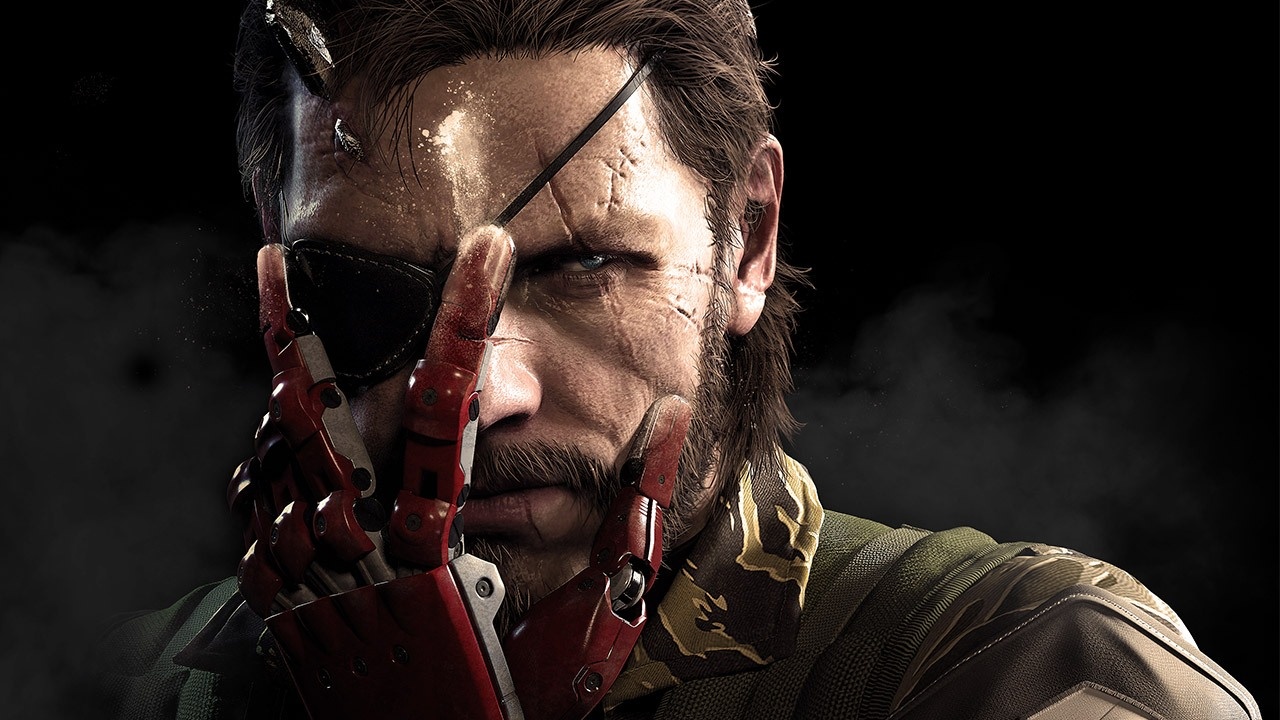
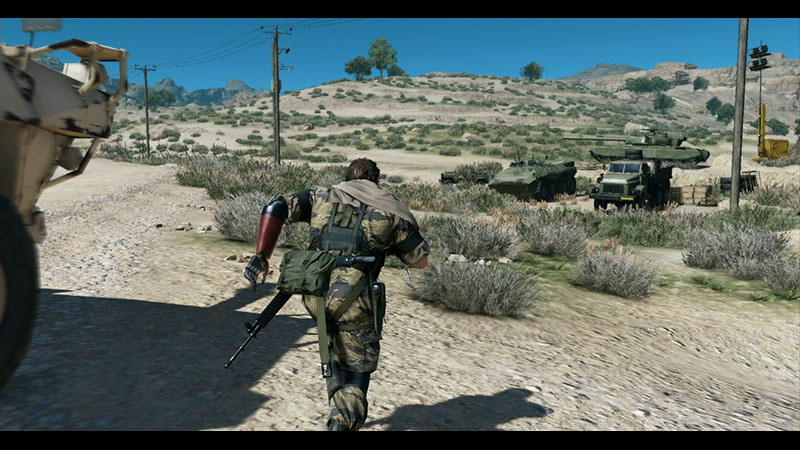
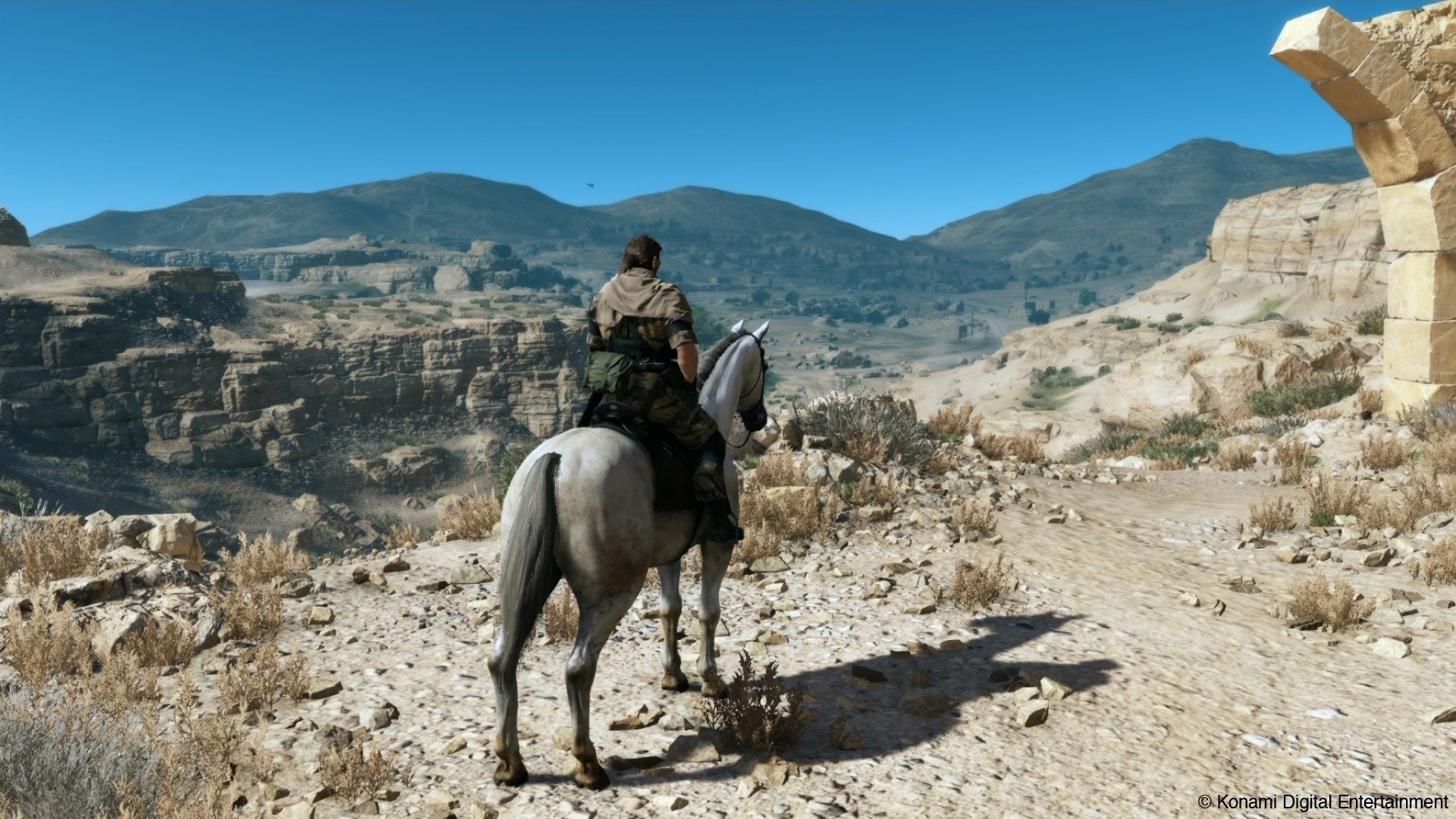
I wouldn’t mind playing through Metal gear Solid: Ground Zeroes a few more times before V is released in September – so I might have to dust that off.

Also simmering on the back-burners are Battlefield Hardline, Assassin’s Creed Chronicles, Contrast, and State of Decay, which I COMPLETELY forgot about – I wonder if all my companions are dead? I heard the game runs in a slower real-time mode when it’s not being actively played. As it’s been 2 months.

Last up, almost forgot, Tomb Raider and the Temple of Osiris, I’m currently playing in co-op, on the odd occasion. More impressions of that next week.


Tomorrow I’ll be back with some news about July’s Free Games with Gold and their new model, and hopefully a review for this weekend, plus Achievement of the Week, eee!

-iRogan

WHAT I’M PLAYING – Splinter Cell: Blacklist

Splinter Cell: Blacklist is the direct sequel to Conviction. It’s the seventh installment in the series, if you include the PSP Essentials, and best yet.

Sam_Fisher_Render_SCBL

Gets Older. Moves Faster. Looks Younger

With 2010’s Conviction, the Splinter Cell series re-discovered its stride. It introduced quicker gameplay with fast take-downs, both lethal and non-lethal, and a spontaneous execute feature, where you can tag 3-4 enemies and shoot them all in a slow-motion, uninterrupted sequence. It did, however, sacrifice a lot of the Splinter Cell staples, such as the ability to move bodies.

Blacklist brings these series staples back, and then some. It is the full product. Back is the Echelon suit with goggles and light sensor, lethal and non-lethal take-downs, mark-and-execute, and Spy vs Mercs. You will notice one change: Sam Fisher’s voice.

The story is set around the events of a blacklist being revealed, where key targets will be killed off every few days if the terrorists don’t get their way. The Fourth Echelon team is tasked with preventing these assassinations, so each mission stands alone in a larger arc.

After each mission, we get graded on our performance into three categories: Ghost (silent non-lethal), Panther (silent lethal), and Assault (full combat, loud and violent). Each mission can be replayed in whatever style the player chooses, and each character in the team will have their own story missions available to Sam. These can be played solo and co-op.

The co-op missions vary in design, some are infiltration and extraction – strictly silent, another is elimination of the enemies, and a 3rd is a wave based survival.

Each mission nets you an income, and you use the money to buy upgrades for your suit, weapons, and even the Fourth Echelon plane. One of the newest additions to the load-out is the tri-copter, introduced in Ghost Recon: Future Soldier. You can fly it around silently and scope out the area ahead and tag enemies. It even has a knock-out gas feature, and sticky shocker for security surveillance.

maxresdefault (2)

The game is the best of the series, and is a blast to play. Visually, it’s a minor step-up on Conviction, but it does showcase some smooth animation for the take-downs, utilizing motion capture, larger level design, and some epic escape moments with level destruction.


Splinter Cell Blacklist marks the last 360 title on my shelf left to be played, and I’m not sure why I waited so long to play it. I’m hoping Illestrader will pick up a copy so we can play it in co-op.

Expect a full review upon completion, but due to the age of the game, I don’t expect I’ll be able to test out the Spy vs. Mercs multiplayer mode.


I’m going to try to get an iReview out before the end of the week, and Achievement of the Week is on Sunday.

I’m also thinking about ideas for an opinion column.

-iRogan