Procrastinate Reviews: Max, The Curse of Brotherhood (and of Loading Screens)

Have you ever had a brother? Ever wished for him to disappear? If this indeed happened, would you rejoice? Or chase after him?

This is how Max: The Curse of Brotherhood starts. What follows is a 2.5D platforming, physics based adventure across a strange land where we see our protagonist, Max, climb, run, jump, and swing (in that order) his way to saving his brother, Felix. I still haven’t decided yet if this is for the better.
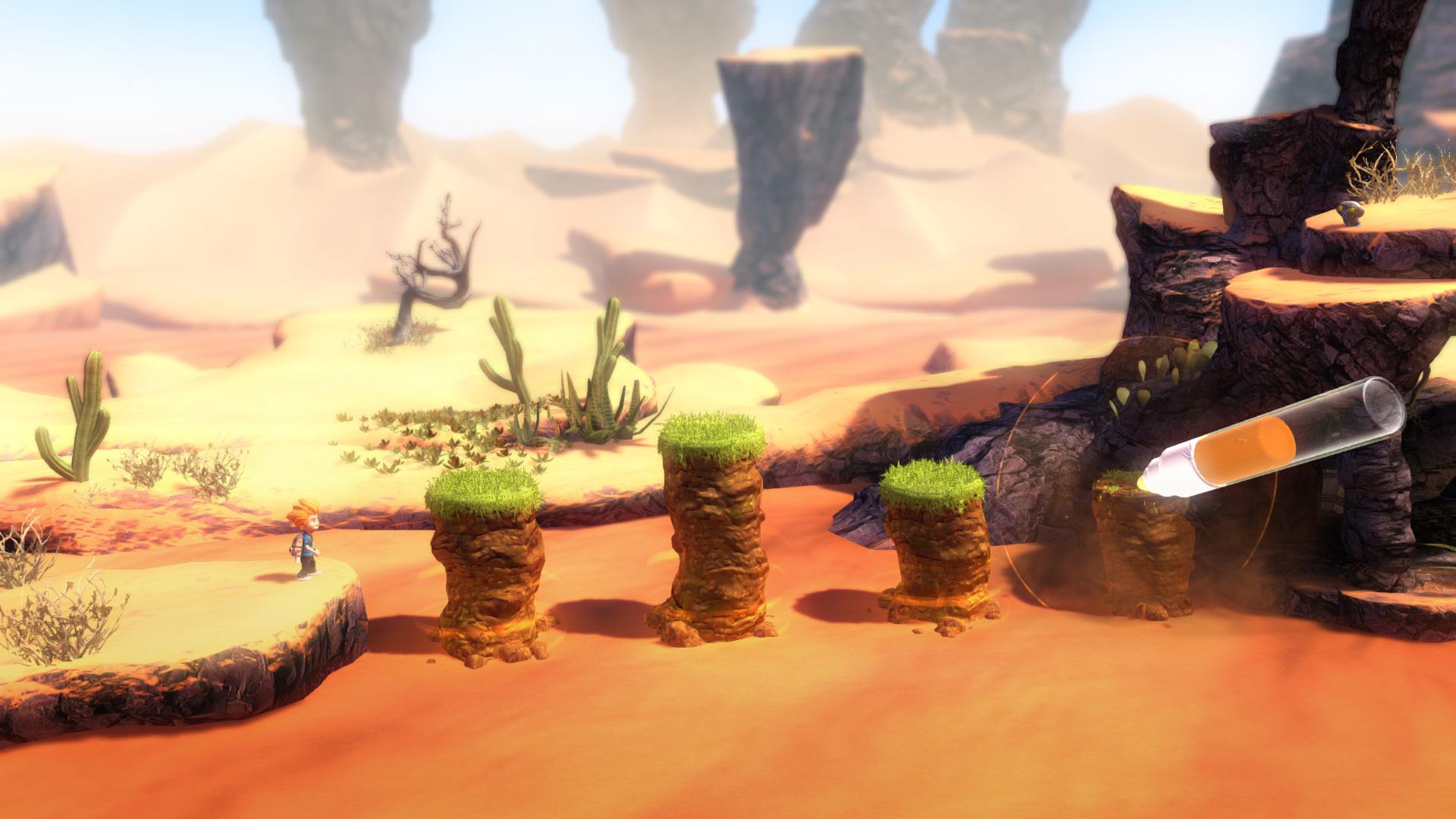
Conveniently Spaced Pillars to jump on you seeÉ

Conveniently Spaced Pillars to jump on you see?

The Story:

Max returns home to find his younger brother messing with his s***. Understandably PO’d, Max Google’s a curse to make his brother disappear. Seems reasonable. The curse, however, comes true and Felix gets warped away to another land. Max, immediately regretting his decision, jumps in the portal and chases after his brother.

In short order, we learn that a cranky old man is stealing kids, and it’s up to us, with the assistance of a cranky old lady, to defeat him. We’re gifted a magical marker that allows us to lift earth pillars, draw branches, vines, and water streams to help us navigate this 2.5D side-scroller.

The GamePlay:

The gameplay is more than a typical side-scroller too, as we are empowered with the ability to shape the land around us through the handy marker. As we progress through the levels, we unlock new abilities, starting out with the ability raise little pillars of land. Next we get the ability to draw and cut branches and vines, with vines granting us the ability to swing ourselves or physics objects from branches to the next landing, and lastly we get the ability to draw powerful water streams.

The best parts of the game are when all the powers come together for the physics based puzzles. You may find yourself sliding down a hill or jumping from a crumbling stone stair case and suddenly propelled into the air with water streams and having to draw some handy vines to swing yourself to safety. The highlight of the mechanic would definitely be the intense final puzzle.

The Technical:

“The game is good looking” is somewhat understated. The lighting is especially mention-worthy on a couple of levels that involve deadly fireflies, and a very dark cave sequence where all you have is the magic marker to light your path.

The Issues:

Max the Curse of Brotherhood is a quaint little game that has a lot of heart. It’s very pretty, and has a lot of cool, epic moments and some neat puzzles. For all intents and purposes, it is short, but there are plenty of collectibles to search for.
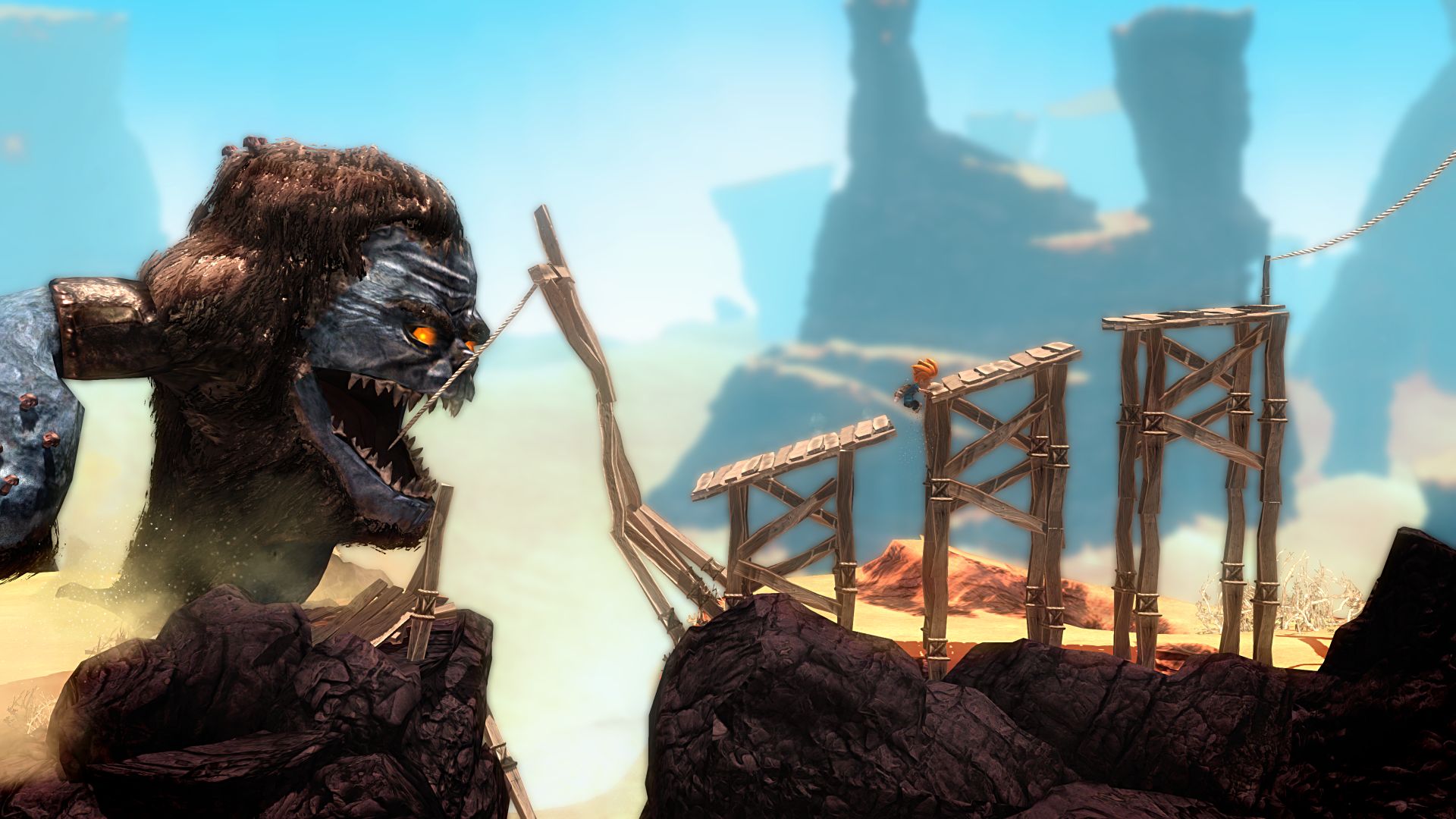
Stairway to Heaven

Stairway to Heaven

There’s nothing actually wrong with the game that’s offered, but with the things that are missing. The capacity to draw the branches and vines is great, but becomes very restrained in scope as to how much you can draw and where. Secondly, considering this is an Xbox title, Kinect functionality for the drawing mechanic would be fun to use. Don’t get me wrong, don’t force it, that would be brutal, but an option to play with would have been nice.

In conclusion, the game is a unique little platformer with some fun ideas. It doesn’t have the same level of polished mechanics that its brethren may share, but given its artistic style, it is a nice addition to the library.

It’s also a good thing that Max is a better brother than I. If left up to me, at that age, this story would have ended prematurely.

Notable Achievements:

He is The One (Huh, time really DOES slow down when you’re in danger.) – 10G
Ludicrous Speed (Reached the old lady in under 5 minutes.) – 50G
Procrastinated Reviews: The Last of Us (PS3 title GASP)

My Procrastinated, Comparative Review: The Last of Us

The Last of Us, for me, is going to be a difficult game to review. On one hand, it’s a Naughty Dog game, through and through, which by default adds a certain level of expectation, but on the other hand, they’re not making Uncharted here. To top it off, this is a PS3 game, which I tend to not play; it’s just not my go-to console.

In between long periods of unconsciousness, I managed to take 2 months to complete this game. How long do you think it’ll take to complete this review?

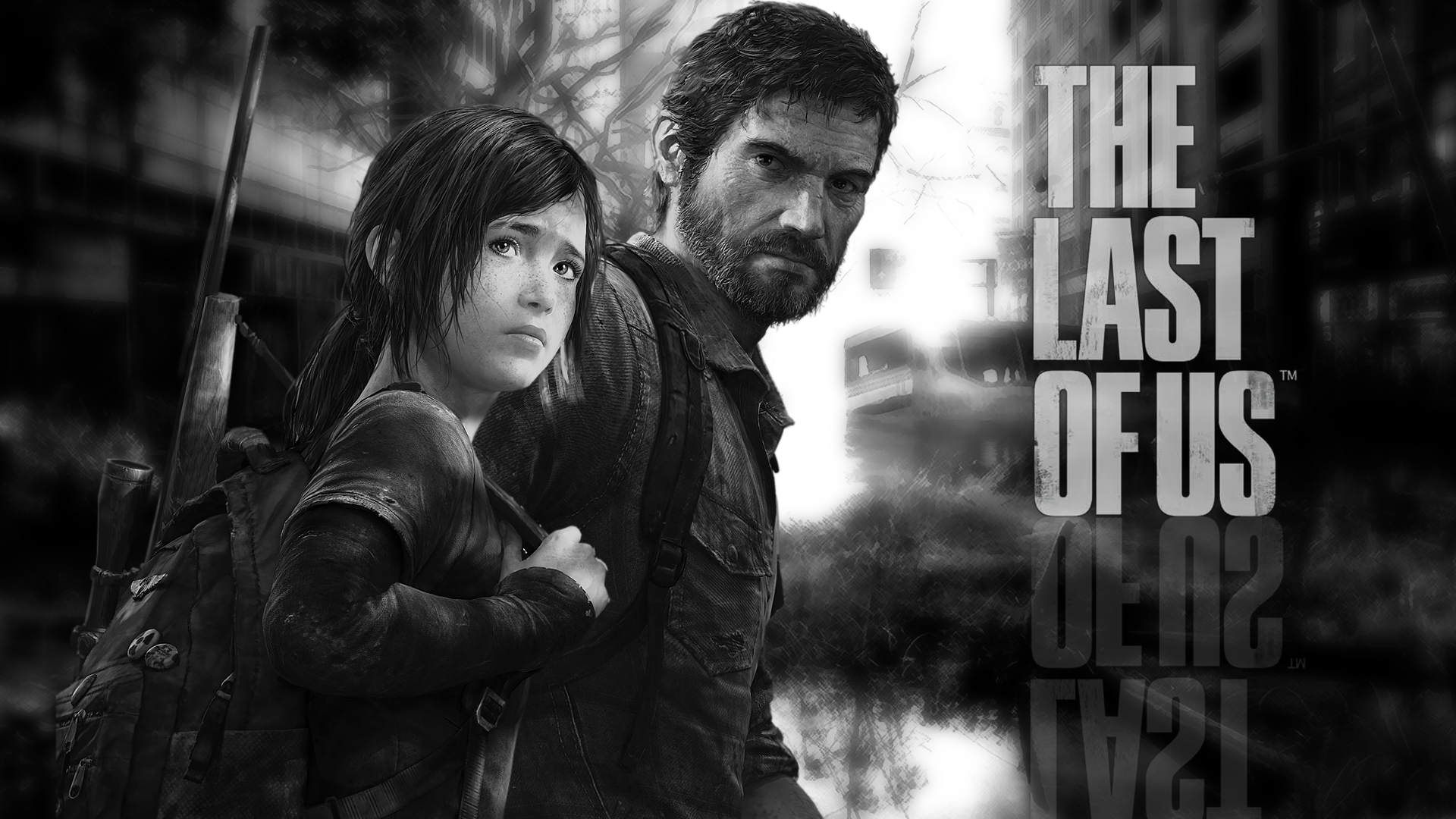
The Last of Us

The Last of Us

The Last of Us is a real attempt at a story game. Naughty Dog has taken Uncharted and stripped it down to its fantastic essentials: the combat, the characters, the visuals and level design, and added a deep emotional story to the mix.

Due to the stylistic choices that Naughty Dog has made, it can really only be played in one manner: large blocks at a time, then breathe when the story transitions to a slow part. Picking it up again somehow feels like a chore because the story is slow and methodical, but has events that heed a sense of urgency.

The Story:

20 years ago, the world got infected, and now the country lives in a policed post-apocalyptic state. Joel and Ellie are our protagonists. Both are survivors who have lost their loved ones. Joel, the father figure, who lost his 12 year old daughter, and Ellie, the orphaned, immune-but-infected 14 year old he’s been tasked with transporting and protecting. The game spans a full year as the player treks the country in the search of a survivor resistance group called The Fireflies who we’re told can render a cure from Ellie.

Be forewarned, the game is dark. It tells a tale of tragic times, catches people at their worst, shows them at their most animalistic. Joel has survived this pandemic for 20 years, in this policed environment, and it’s taken its toll. There’s no length he won’t go to, to survive. Ellie was born into this world, and has lost friends while she has remained immune to the infections.

The Gameplay:

As I mentioned above, Naughty Dogs has stripped away the epic action pieces and plat-forming of its Uncharted series and focused more on a closed, stealth focused survival horror game. Fundamentally, it’s still a 3rd person shooter, you’ll have to manage ammunition and craft defensive weapons to stay alive. You carry a backpack which allows you to switch out different weapons to handle different scenarios and enemies. As a result this is a slower game to tackle, and if you’re already not in love with the scenario and characters, you may stress out and stop playing.

The Technical:

Built on the already incredible Naughty Dog engine, the game is expectedly gorgeous; character animation is mo-capped, smooth and intelligent, and the enemy AI is smart and resourceful, calling for help when necessary, and finding ways the flank the player, and the partner AI is very alert and agile. The cut scenes are brilliantly mo-capped as well, and evoke true emotion, sometimes truly touching, others cringe worthy.

The Issues:

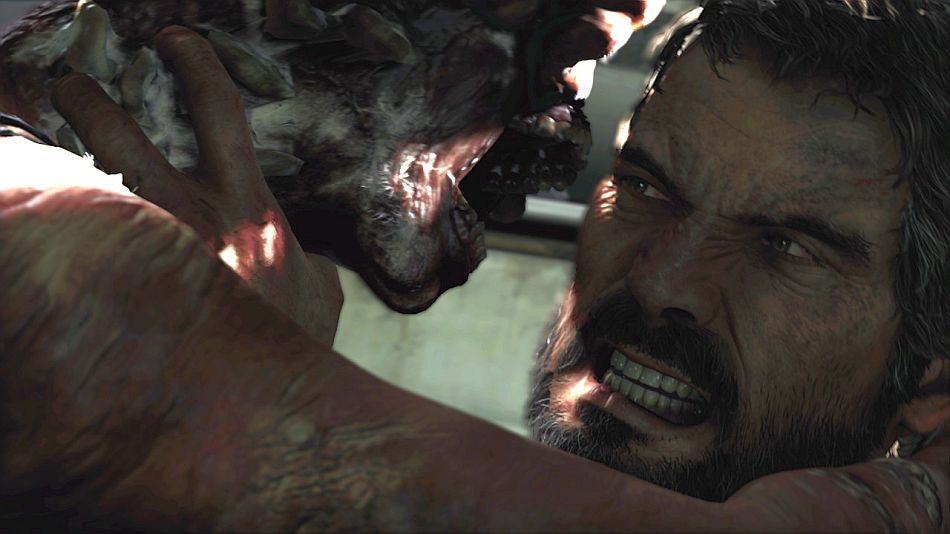
DON'T say anything negative!

DON’T say anything negative!

Now, after a long list of niceties, the negatives are almost unwanted. The game is thoroughly fantastic, and the only real gripe is the slower, methodical pace. The game is broken up into hectic shoot-out sections with human survivalists, and then followed by tense, stealth survival sections against the infected, finally concluded with the slow paced story and unique puzzle sequences. Rinse, reorder, and then repeat.

It’s a long game, and as we travel further and further west, the situation becomes dire and more urgent. At times it’s hard not to put the game down, at others, due to the stressful urgency of the sequences, you’ll need a breather. The problem is getting the timing down, as you’ll ruin the pace when you break at the wrong time.

Do yourself a favour, play the game. Just don’t, like me, spread this masterpiece over two months.

Notable Achievements Trophies:
I Want to Talk About It (Engage in all optional conversations)
That’s all I got (Survive all of Ellie’s jokes)

Procrastinated Reviews: Ridge Racer Unbounded

My Procrastinated Comparative Review: Ridge Racer Unbounded

In my attempt to remain up-to-date and current with today’s kids, I shall review a recently played game in Ridge Racer: Unbounded, BugBear’s 2012 attempt at the Ridge Racer series. Switchback! Maybe you’ll be able to tell when I become unenthused…

The Ridge Racer franchise has been around for a while, and has really only changed development hands and platforms, while remaining true to its drift racing formula. Unbounded doesn’t fix that which is not broken, but tries to mix it up.

I Haz First Place

I Haz First Place

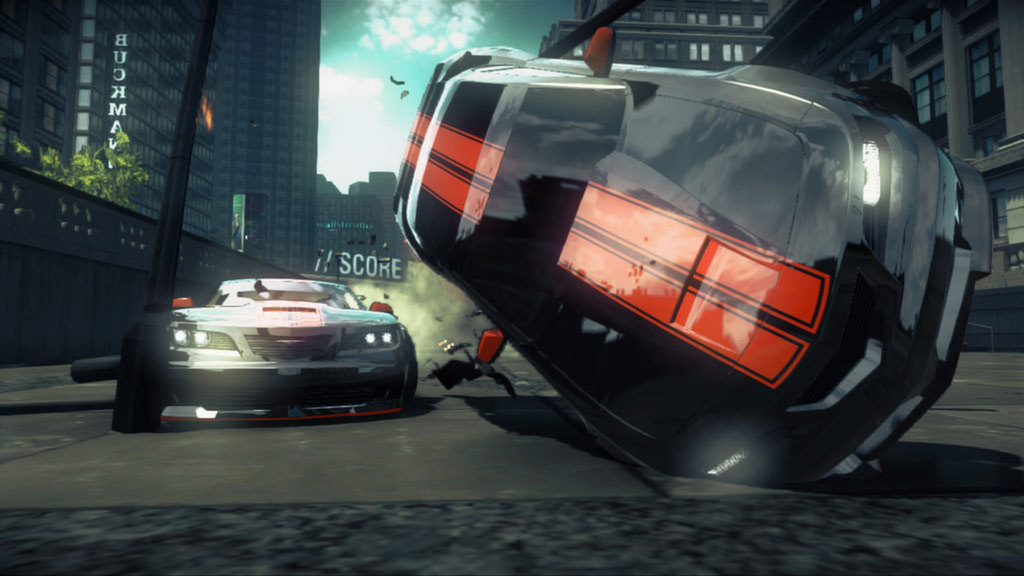
You may be familiar with BugBear’s previous franchise: FlatOut, and Unbounded actually feels a lot like Flatout’s handling and levels of destruction, not so much the drifting. Flatout had nice smooth drifting; Ridge Racer’s drifting is ugghhhh!…(press B to drift). Additionally, the game takes a lot of hints from Black Rock Studio’s Split/Second arcade racer.

As mentioned earlier, BugBear is the team charged with putting new energy into the stale Ridge Racer series. Adding to the series’ past of fast drifting tracks with sleek unlicensed cars, Unbounded brings BugBear’s expertise of destruction and derby combat. Unbounded focuses on city streets which get torn up with 12 racers focusing on becoming first. The cities also feature destructible events not unlike Split/Second, but not to the same extent – basically special walls that act as shortcuts, and some explosive objects to assist with fragging some opponents. The track’s overlays also seem to be borrowed from Split/Second with most of the HUD actually displayed on the track – along the walls, letting the player know how far behind or ahead, and number of laps remaining. Nice touches if not a little imitated.

The Domination mode is the main focus – racing to be first across the finish line, by taking out your opponents along the way, but the 63 different race events offered in this title also included Time-Trials, straight up Races, Drift events, and Frag Attacks (take out as many cars as you can in the time allotted). Again, a lot of these gameplay styles you’ll find in Split/Second. The game offers a (now ghost-town) multiplayer mode, and a deep track creator that allows you to share your cities online.

The AI is fine, just fine – if not a little rubber-banded when the player is falling behind, but the main gripe would be the car physics and race mode repetition.

Unbounded’s maps feature city streets and frustrating side alleys and store fronts to mess your car’s face right up. It’s not always clear what walls and street debris with prove a hindrance, and you can’t simply reset your car through a quick controller face button like most arcade racer’s offer. Your car CAN occasionally show some level of damage detail, but it’s not always clear how close you are to eating asphalt, until the car behind you gives you a nudge, sending your spiraling.

Another gripe with the physics has to do with the actual takedowns and traveling through the many destructible event spectacles themselves. The player is subjected to a nice slow motion capture of the damage we’re harvesting; this is nice when it doesn’t result in our car being slammed into the next adjacent wall as soon as we regain control. It happens enough to warrant mentioning.

All being said, the game is a fun flashy arcade racer, despite its issues. If you’ve played either FlatOut or Split/Second you’ll have fun here. Plenty of maps and races to keep the player occupied, added gameplay modes offer some spice, and the game does give the player the illusion of change with the vehicle choices, but they all just seem very stylized versions of current muscle cars, they all drive forward the same, assuming you’re competent enough to not end up backwards as you drift around the map at impossible angles.

Notable Achievements:

Tail Chaser (Get 35,000 m/yd of total Chasing) – 15G

Litterbug (cause $10,000 worth of collateral damage in one race) – 15

Procrastinated Reviews: Bang Bang Racing (XBLA) and WRC Powerslide (XBLA)

My Procrastinated, Comparative Reviews – Featuring Bang Bang Racing and WRC Powerslide

I’ve decided to knock off a few smaller reviews while I continue to plug away at the current story game I’m working on, The Last of Us. Included in my vast game collection digitally sits more than a few Arcade titles, so here I am, reviewing a few of them, which, conveniently, happen to both be very similar: Bang Bang Racing, and WRC Powerslide, both XBLA top-down, pocket racing titles.

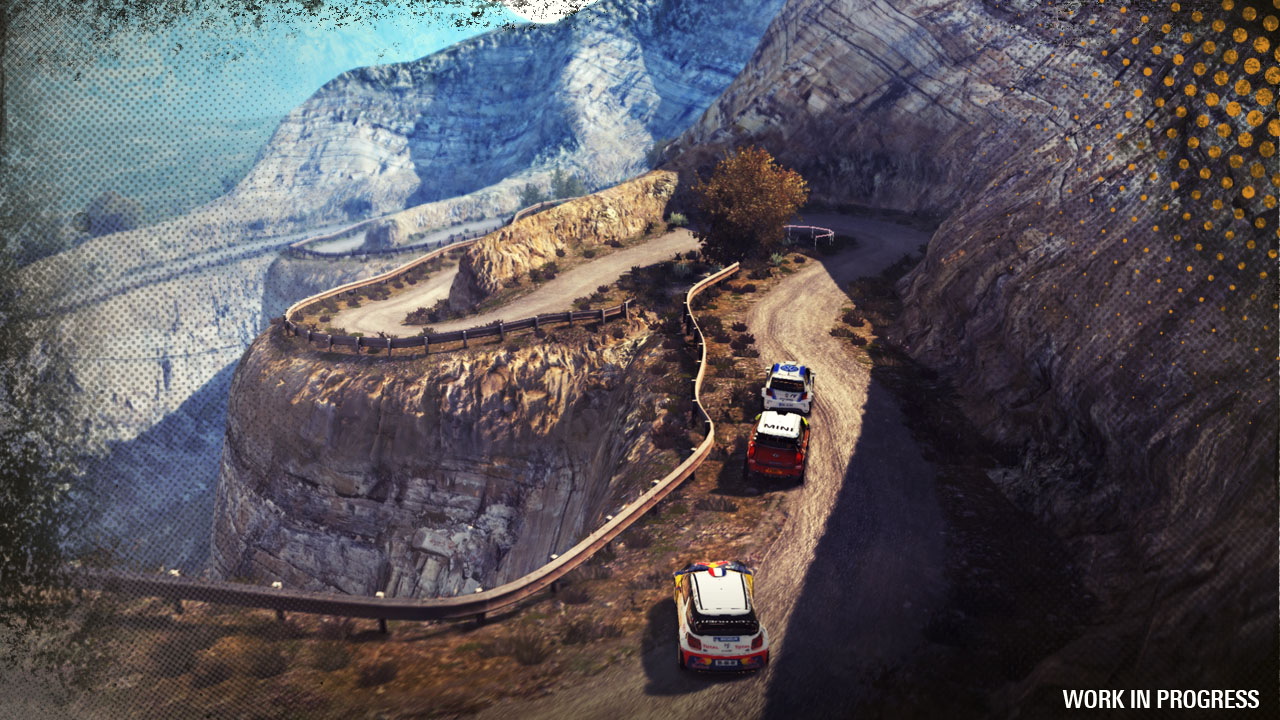
WRC Powerslide is an arcade title in the same light of its World Rally Championship (WRC) older brothers. The 8 locations included in the game are, as the name implies, rally courses, scattered across the world, featuring real world Rally championship locations such as Mexico, France and Portugal. There are 3 variants per locations, multiplied by 3 vehicle classes, capping the game with 72 unique configurations. The 3 classes of vehicles, each handling noticeably different, and feature a number of recognizable sponsor teams and a handful of car liveries. The further you progress, the more cars and skins you unlock.

Mind the edge

Mind the edge

The game itself is simplistic in design, featuring only one race mode: Championship – 4 racers including the player. Your only objective is to finish before the other racers. The cars drive fast and with agility. The camera gives us a locked top-down chase view of the player’s car, but the tracks are quick and winding which can cause some disorientation, and occasionally that particular location’s design, with mountainous regions or forested areas, can briefly obstruct the view of our car.

The AI can be tough if you find yourself in the lead; however, there are power-ups that you acquire throughout the duration of the race, that allows you to attain the lead – or help you keep it.

In closing, the locations themselves are fun to drive, and very pretty, featuring some beautiful vistas, and differing weather. The game is fun, and great for a quick race or two at a time, but becomes very repetitive and tedious for stints long than that. Omitting the power-up weaponry may have improved the focus on the actual racing. Final say: a competent arcade rally title.

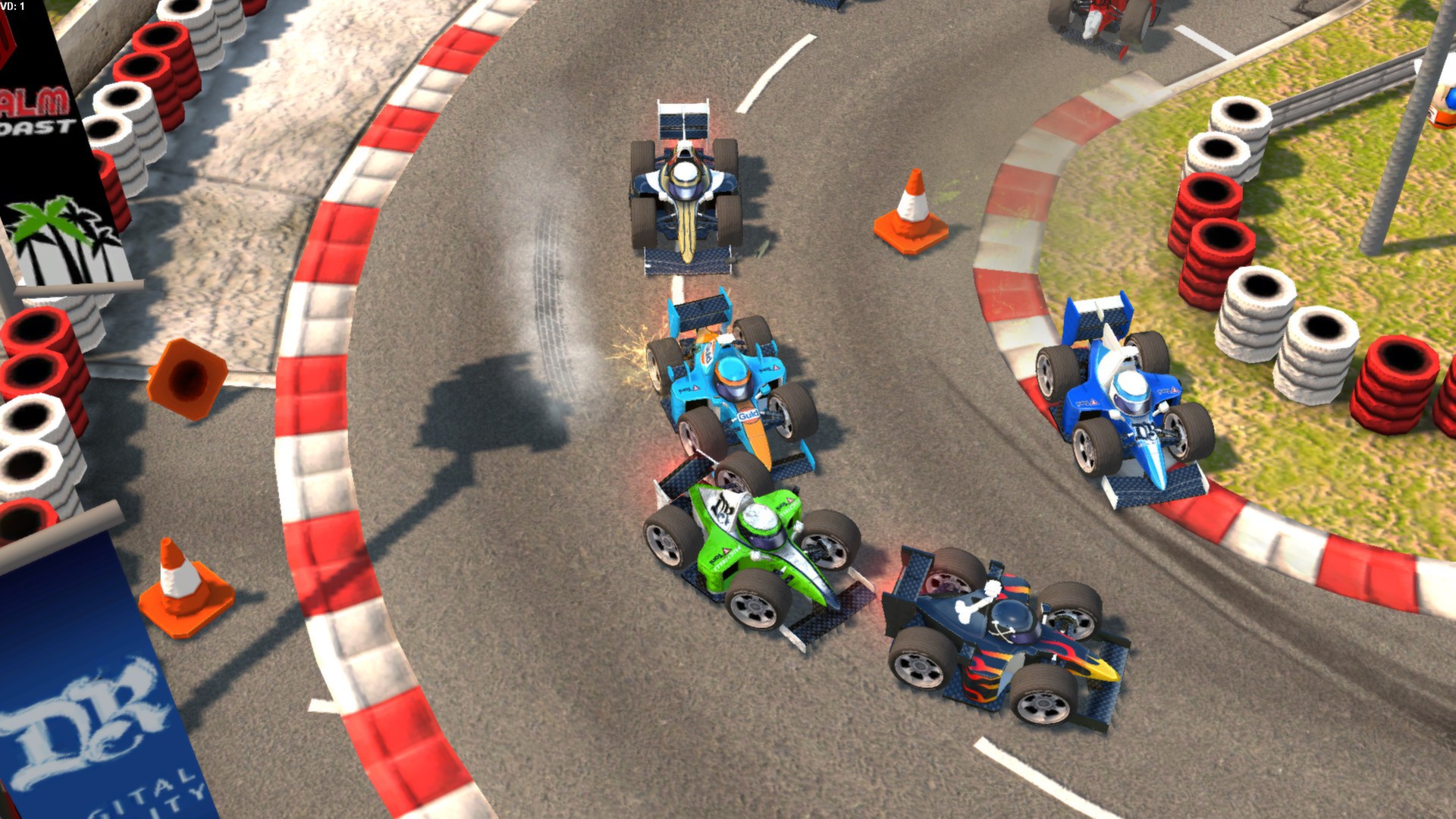
Bang Bang Racing, as the arcade title lives up to, takes itself a little less seriously. Again featuring a top-down perspective, this racer has a compacted art style, and flashier designed cars. With 9 different courses available, this title focuses on tarmac circuits, and each track has multiple shortcut layouts totaling 54 race configurations. There are 4 different classes of cars, each handling differently, and feature skins to unlock.

Pardon me!

Pardon me!

Omitting power-ups and weaponry lets the player focus on the racing, but the cars themselves have a nitrous boost and a life bar. The tracks feature oil, and water drums, which once hit cause slicks on the track, and exploding barrels that cause car damage. It is an arcade title after all.

Again, featuring dizzying, winding tracks, this racer plays fast and disorientating at times, however the car physics are less forgiving than WRC. The game features a few more modes too: Races (featuring 7 opponents), Time Trial, and Elimination.

In conclusion, where WRC tried to be more than just an arcade rally title, Bang Bang Racing definitely feels more like a true pocket racer (even the fans are just little bobbing Mii-style heads) remaining true to the racing roots and does away with power-ups. The courses are attractive, very colourful, simple to drive, but difficult to master. The gameplay modes mix it up too, keeping the events feeling new, and not so boring.

Notable Achievements:

WRC: As fast as lightning (Use the “Thunder Bolt” Power-up 10 times in total) – 20G

BBR: Bang, Bang Kaboom! (Detonate 50 exploding barrels) – 10G

Procrastinate Review: Darksiders II

My Procrastinated, Comparative Review of Darksiders II

Intended to stick with the short-form reviews for a bit, but after stumbling through padded mishmash that is Darksiders II, I had a few things to fuss about, so this review is a little dense, for consistency sake.

Darksiders II’s story is parallel to the events of the first game. If you’ll recall, in Darksiders I, War, one of the Four Horsemen accidently started the apocalypse early, and dooms all of Earth’s population, and is then brought to justice for his crimes. The sequel sees us playing as his brother, Death, who believes War was tricked into committing his crimes seeks to redeem his brother’s wrongdoings and wishes to fix everything and restore humanity. The story from that part continues along its convoluted way, meeting new characters and foes along the way, as Death futilely attempts to reach his end goal. We slowly learn the entire land is actually being consumed by darkness and Corruption, and the plan of saving our Brother starts to fade, and instead we must save everyone else, and maybe Humanity someday. One day? Who cares?

#Dark

#Dark

The Darksiders franchise is really just the darkest timeline of Zelda. The story follows our emo protagonist through a steady stream of dungeons, and open lands for exploring; each new area presenting us with a new gameplay mechanic. The dungeons themselves are interactive puzzles, requiring the player to think their way through a series of levers, doors, elevators, and portals, with some wall-running and scaling, all the while fighting a slew of increasingly difficult enemies.

The enemies and dungeons present us with a new RPG and loot mechanic, as the player is bestowed an abundance of weapons, gear, and items along our forays into combat. All the weapons have attributes such as strength, and damage, and resistance, and defense, and stop me if this sounds redundant. You gain experience to level up our character as well, awarding the player new magic attacks.

Traveling the large lands of Darksiders II is made effortless with the addition of our horse, Despair. Additionally, we have the ability to fast travel to the different city hubs we frequent or to return to the dungeons once visited. This is where my first complaints started arising.

Gripes:

We have a horse named Despair (keeping with the #dark theme) to ride around on, in the open vast lands between dungeons, great. But that’s all the horse is good for, just traveling. Once you’ve reached your destination, you can fast travel back as much as you’d like. You can fast travel out of the dungeon half-way through, and return to the exact point you left off from, if you were so inclined. The horse is a nice addition at first, but is really underutilised save for one boss fight. How come there aren’t other speedy enemies that I need the horse to ride alongside? I have 21 inventory slots per style of gear for my character. Including my two weapons, armor and amulets, that’s 147 slots for disposable gear. How come I couldn’t add gear to my horse? I got to the point where I turned on the ‘auto-collect’ for my gear and didn’t even look at comparisons until after I was done the dungeon, and then sold off the rest before starting the next area.

I clocked the main story at 20 hours to completion. 20 hours doesn’t sound like a lot of invested time, and you’d be right, but it certainly felt like a long time. The story and quests are just so thin, but padded for the sake of game time; always collecting items of three to progress. There are some side quests to waste time, and a challenging labyrinth quest that required collectibles to navigate.

I felt the story to be unnecessarily puzzling, and Death’s true goals to be lost along the way as he was sent from one meaningless task to the next before finally defeating the land’s Corruption boss in the end, and making the ultimate decision to save his brother and humanity, and sacrifice his kin. I was disappointed that the game ended in another cliff-hanger, similar to its predecessor, and that I did not get to meet up with War at all. The game’s final moments promise more, but we’ve heard that before.

Executed Well:

The art and design is gorgeous. Some of the landscapes were breathtaking, especially in the Land of the Dead: its tormented lands, and scarred earth. And the character, Death, is a design deserving applaud.

The dungeons themselves were very satisfying, just the right amount of puzzle that required thought. The plat-forming and gameplay elements for traversal, like the Death-Grip (grappling hook), were used well, and frequently, with each new area adding another element for navigation. Constant waves of enemies, increasing in difficulty, were a pleasure too. Death with the dual-scythes always felt like a bad-ass.

The bosses were imaginative, and like its blatant inspiration, Zelda, always required that one clever element to assist with defeating them. My one gripe would be the game’s paramount boss featured heavily in the trailers: the boss that seemed ripped out of Shadow of the Colossus. The boss was the only example of an enemy that was large enough that we had to climb on it and attack certain key weak points. My complaints are a) completely under-utilized large-area boss fight which proved to be the only true use of the horse. Obviously would have appreciated a few more instances of this type of battle. And b) this climactic type of battle was easily the ¼ mark of the game’s story. To have this boss featured heavily in the trailers, and expired so soon is wickedness.

Opinion:

The game is sound. Like its predecessor, it has an interesting tale, with some epic fight scenes, relegated to cut-scenes, but I digress. The art, character design, and scenery are marvelous, and dungeon crawling is very satisfying. The game, however, suffers from some excess filler, cushioning the thin story with unfortunate fetch-style quests, and leaves us in the end wanting what we ultimately wanted going in: meeting up with War, as two brothers of the Apocalypse.

Notable Achievements:
Respec Yourself (Your first respect) – 20G
Diamond Geezertron (Unlock the final skill in either skill tree) – 10G